
Passport to the Universe
2017 | Movie of American Museum of Natural History | English

19 mins
Licensing
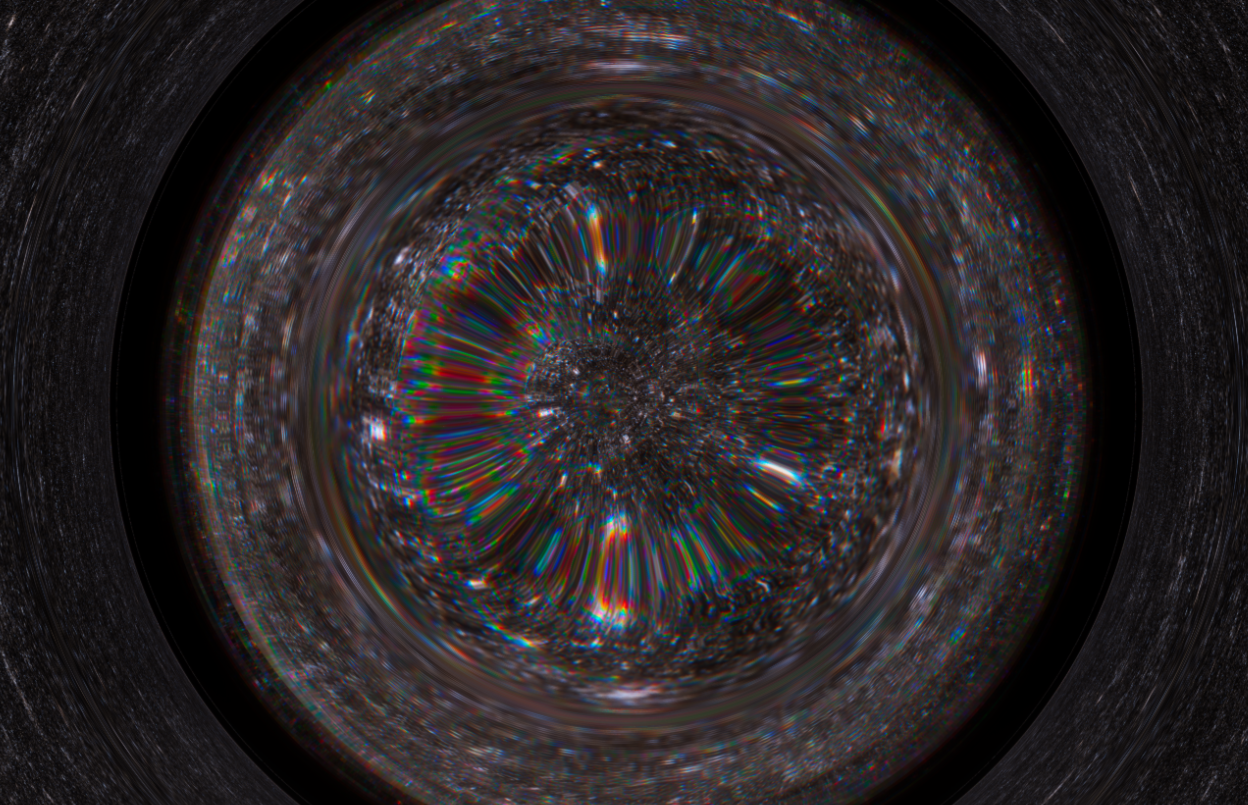
Pull out into the galaxy to witness the large-scale structure of the universe where clusters of galaxies create web-like patterns.
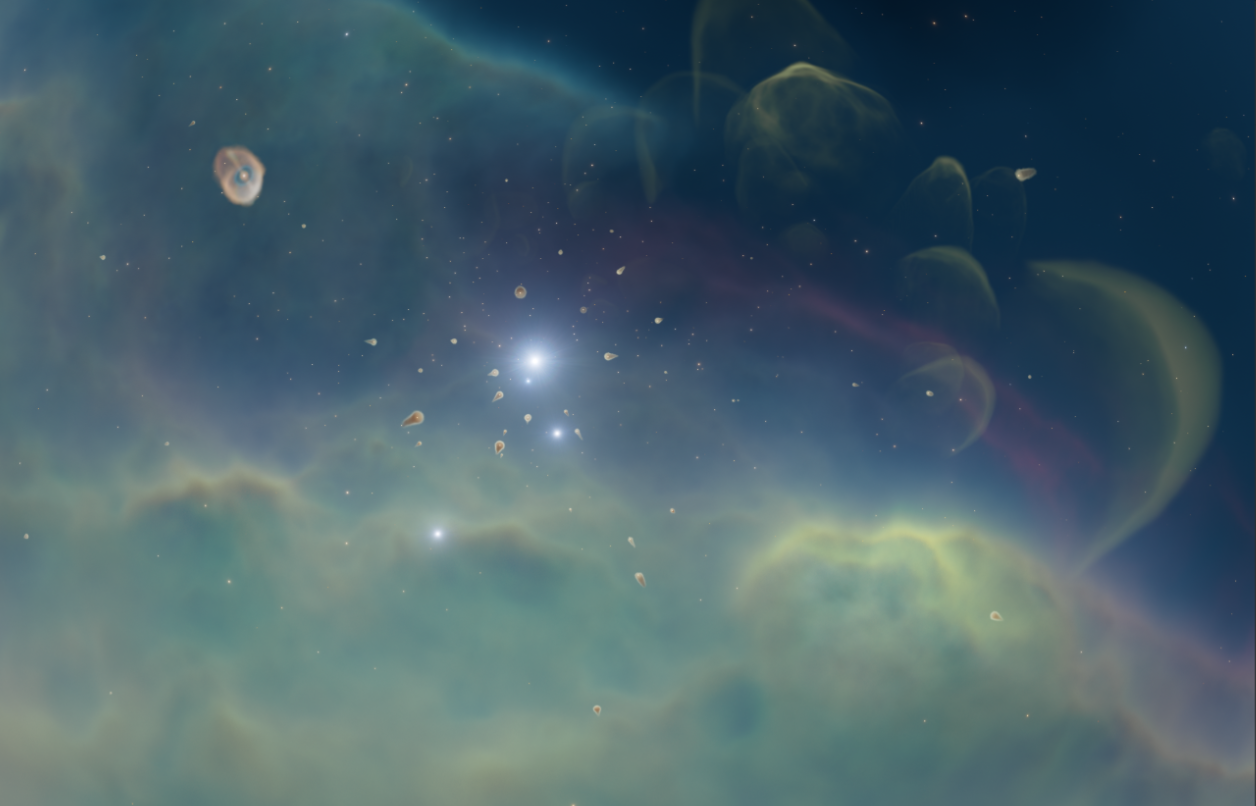
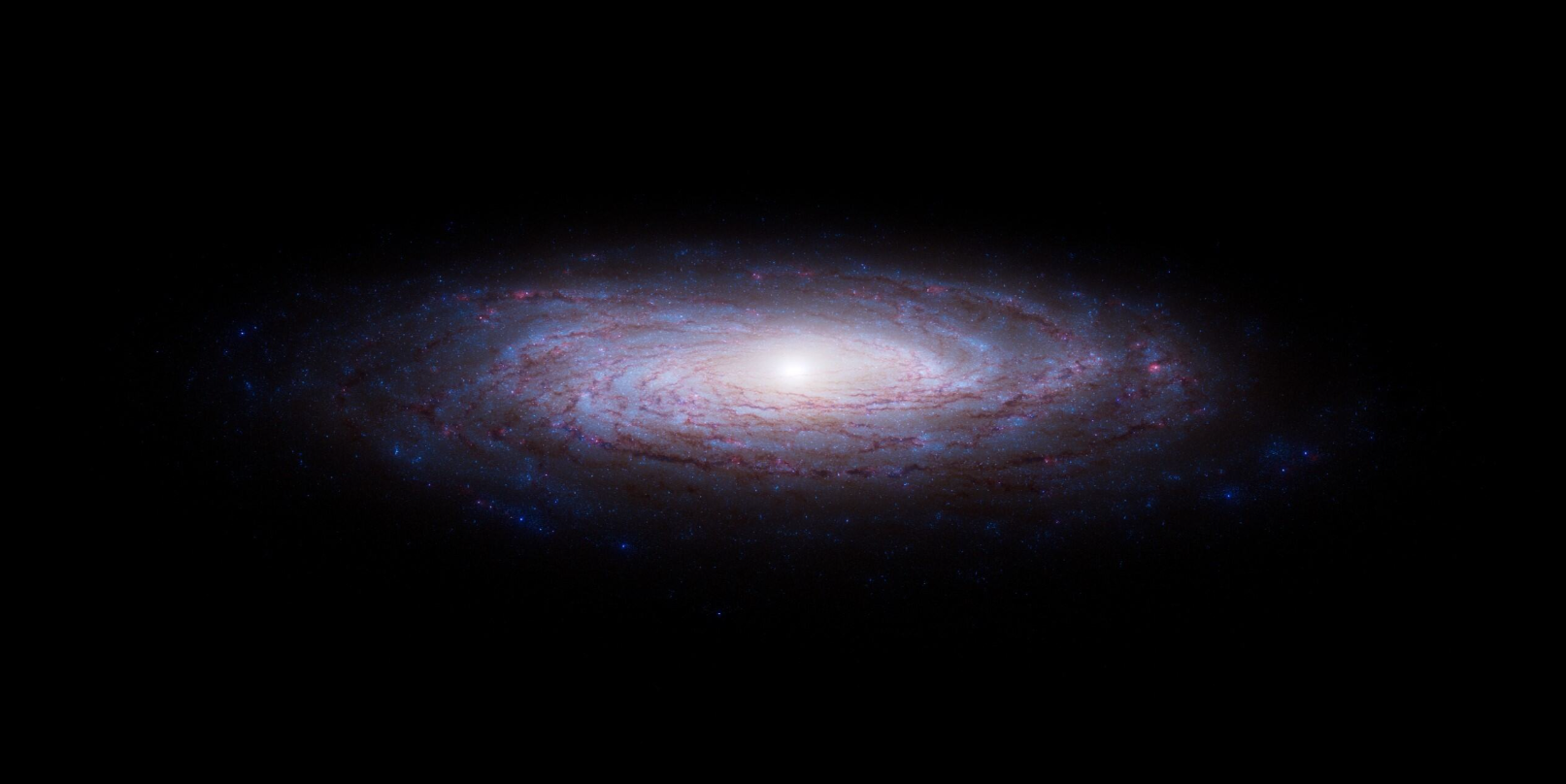
What is our place in the cosmos? In the American Museum of Natural History’s iconic space show Passport to the Universe, this question is answered as visitors travel through the observable universe to explore our “cosmic address.” In an unforgettable experience, cutting-edge science creates images of unprecedented realism and accuracy as viewers begin to understand the true enormity of the cosmos. A captivating explanation of fundamental cosmology, Passport to the Universe is an “evergreen” presentation—always relevant, always educationally important, always illuminating.
Narrated by Tom Hanks.
Since its premiere at the Hayden Planetarium in New York, the American Museum of Natural History’s inaugural space show Passport to the Universe has been experienced by millions of people around the world—but not like this. Updated in December 2017, this renowned space show has been fully modernized for today’s audience: rendered in 8K at 60FPS and featuring cutting-edge visualizations of the latest scientific data including updated surface maps and new exploratory space missions.
CREDITS
⎯⎯⎯⎯⎯⎯⎯⎯⎯⎯⎯⎯⎯⎯⎯⎯⎯⎯⎯⎯⎯⎯⎯
Passport to the Universe was developed by the American Museum of Natural History, New York (amnh.org) in collaboration with the National Aeronautics and Space Administration (NASA).
Major support for new version provided by California Academy of Sciences, San Francisco.
About the American Museum of Natural History (amnh.org)
The American Museum of Natural History, founded in 1869, is one of the world’s preeminent scientific, educational, and cultural institutions. The Museum encompasses more than 40 permanent exhibition halls, including the Allison and Roberto Mignone Halls of Gems and Minerals, which opened in 2021 – those in the Rose Center for Earth and Space and the Hayden Planetarium, as well as galleries for temporary exhibitions. The Museum’s scientists draw on a world-class research collection of more than 34 million artifacts and specimens, some of which are billions of years old, and on one of the largest natural history libraries in the world. Through its Richard Gilder Graduate School, the Museum grants the Ph.D. degree in Comparative Biology and the Master of Arts in Teaching (MAT) degree, the only such free-standing, degree-granting programs at any museum in the United States. The Museum’s website, digital videos, and apps for mobile devices bring its collections, exhibitions, and educational programs to millions more around the world. Visit amnh.org for more information.