

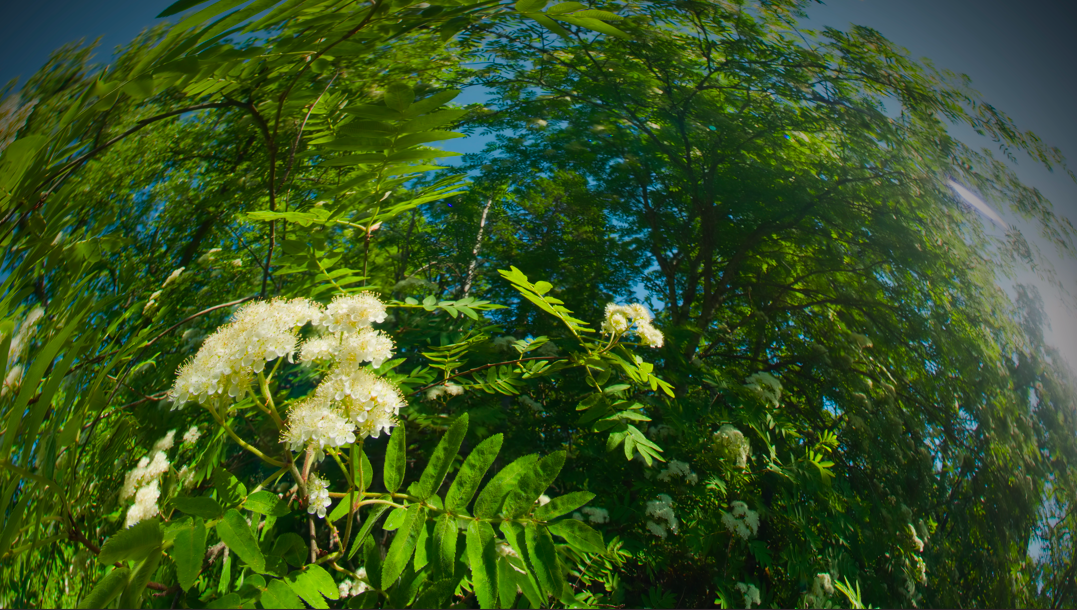
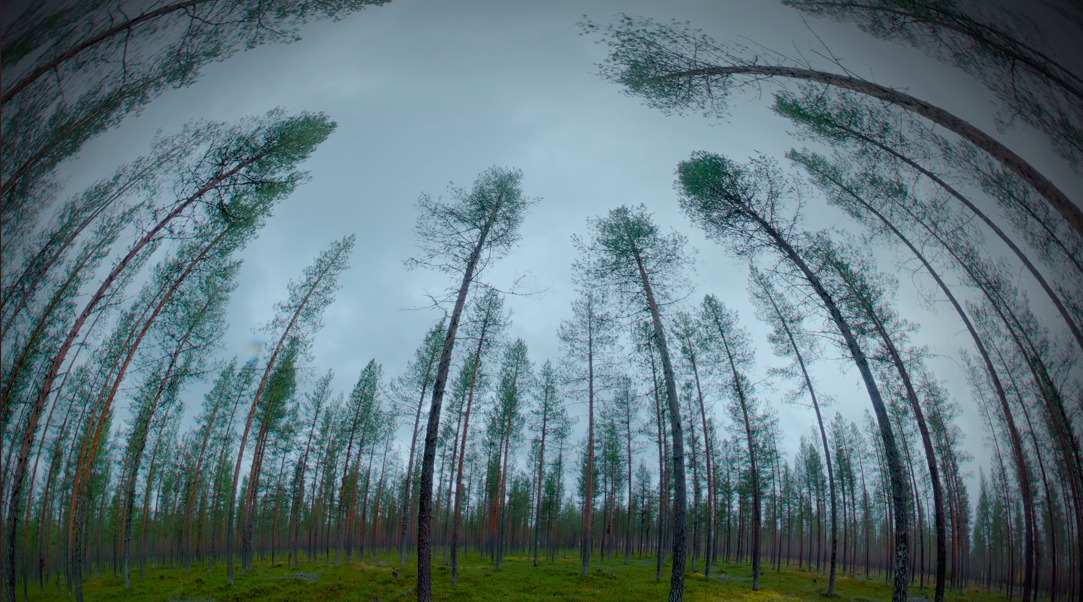
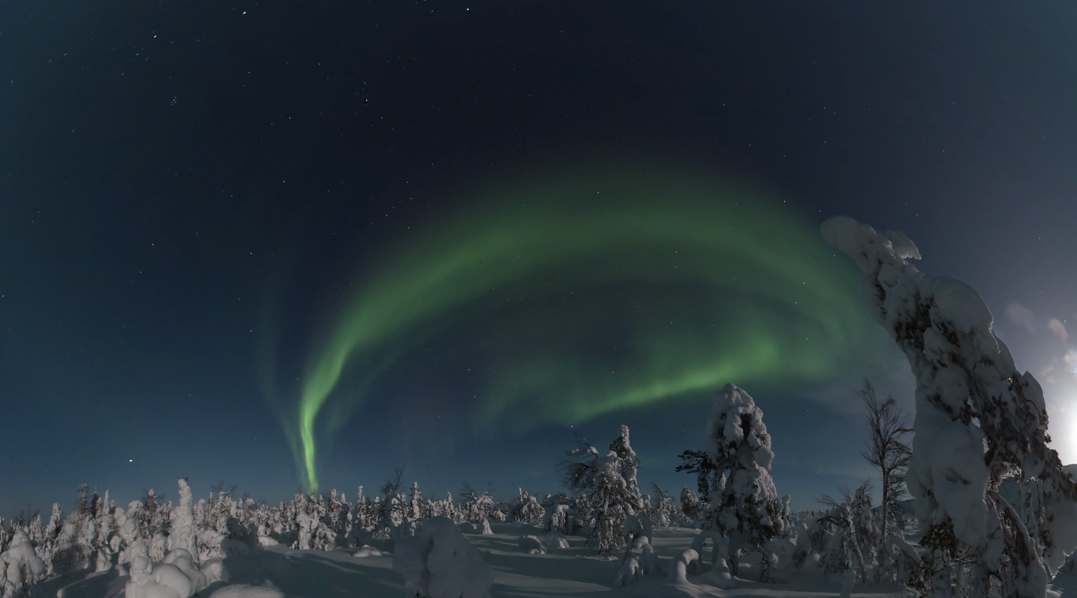
“The Heart of the Forest” is a mesmerizing odyssey into the world of trees, unveiling their interconnected lives and the breathtaking biodiversity flourishing within the woods.
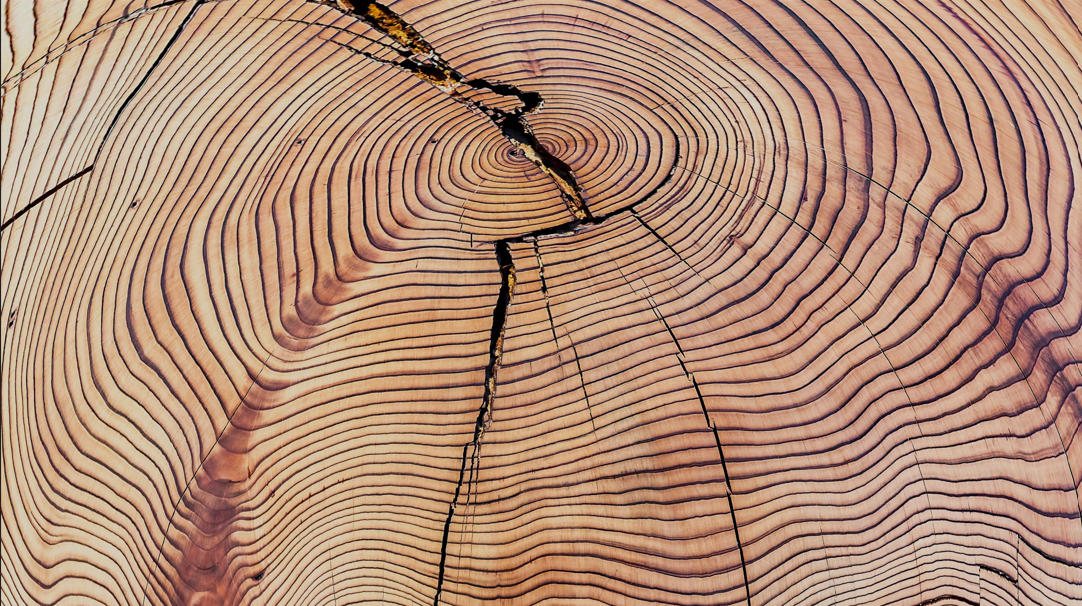
Deep within the woods stands an ancient and all-knowing oak, the Tree of Life, who serves as both the protagonist and the narrator of the story. The story reveals the forest as a living, breathing organism, full of wisdom, connection and resilience. The film is a poetic call to protect what remains of our ancient forests and a reminder that their fate is intimately tied to our own.
AWARDS AND FESTIVALS
⎯⎯⎯⎯⎯⎯⎯⎯⎯⎯⎯⎯⎯⎯⎯⎯⎯⎯⎯⎯⎯⎯⎯
Best of Earth Fulldome Awards
Melbourne International Film Festival (MIFF)
Brno Fulldome Film Festival
Fulldome Festival Fukuoka (IFSV)
Nordic Film Days Lübeck
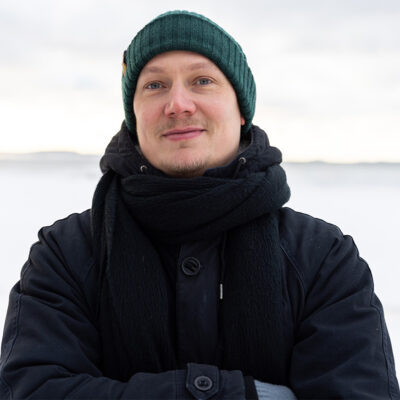
Markku Laine
Director and writer
Markku Laine is a director and cinematographer with an extensive background in documentary and immersive storytelling, based in Helsinki, Finland. His work is rooted in a deep curiosity about the connection between humans and the natural world. His approach blends poetic storytelling with a strong visual expression.
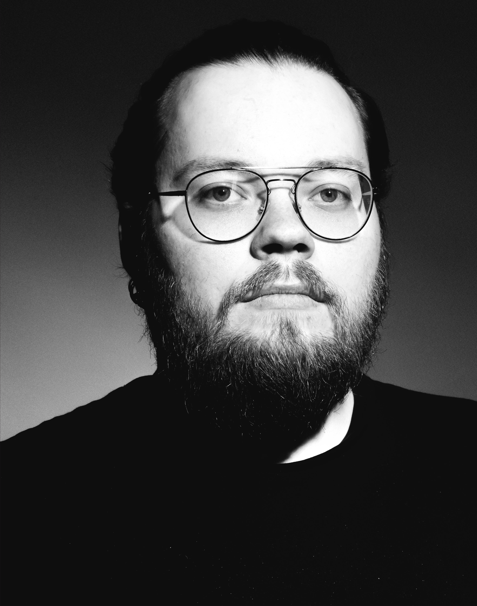
Riku Kuikka
Sound Designer and Recordist
Riku Kuikka is a Sound Designer and Recordist based in Helsinki, Finland, where he is a co-partner at the Muuntamo Sound studio. While experienced across a wide range of media, his true passion lies in documentary and immersive audio. His creative philosophy centers on “hyperrealism”—weaving authentic soundscapes with subtle, magical elements to uplift the viewer’s experience and deeply touch their emotions.
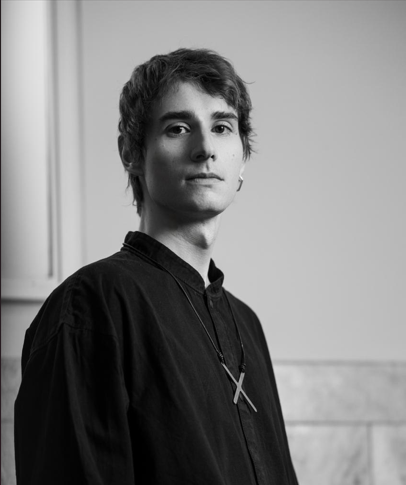
Emil Sana
Composer, producer, and sound artist
Emil Sana is a French-Finnish composer, producer, and sound artist. He has scored multiple international fiction and documentary feature films in France, Finland and the US as well as many award-winning short films.
His work focuses on creative restrictions, inventive sonic palettes through designing sound-machines and experimental sampling methods of acoustic sounds. In addition to film, he creates music and sound for games, art installations, and collaborative projects spanning genres from art-pop to jazz fusion and neoclassical.